How to Prevent Bias in Hiring Process
Biases Prevalent In Pakistan’s Hiring System
Inclusivity and diversity are the focus points for organizations all around the globe these days - no one wants to be associated with discrimination of any form. Companies are actively seeking to recruit a much more diverse pool of candidates, not only because they are socially expected to, but because their contribution to the workplace is much more valued today. And for good reason, because why would someone want ten identical perspectives on one matter when they can get ten different ones? Despite the huge change in mindset that is taking the world under its wing, there are still so many places where the shift has only begun and the conventional hiring biases still exist in the minds of recruiters (whether it is conscious or unconscious is a whole other matter). Even in Pakistan, the concept of this bias-free work zone has been introduced as a concept, but the implementation is yet to be carried out in its true sense.
Lucky for us though, Botnostic Solution’s RecruitmentBot understands the damaging role bias plays within the hiring process and we aim to combat that problem through our state of the art technology. We understand that bias is not always and necessarily the purposeful, evil thing everyone makes it out to be. It can be unconscious. It can be a mistake. It can exist in any shape or form because everywhere there is the human touch, there is bias. This is why our screening system is aimed at eliminating bias at the very first stage of the hiring process by testing clients in accordance to skills and compatibility and whatever tailored requirements your job may have so that you can find the best match, bias and error-free.
Lucky for us though, Botnostic Solution’s RecruitmentBot understands the damaging role bias plays within the hiring process and we aim to combat that problem through our state of the art technology. We understand that bias is not always and necessarily the purposeful, evil thing everyone makes it out to be. It can be unconscious. It can be a mistake. It can exist in any shape or form because everywhere there is the human touch, there is bias. This is why our screening system is aimed at eliminating bias at the very first stage of the hiring process by testing clients in accordance to skills and compatibility and whatever tailored requirements your job may have so that you can find the best match, bias and error-free.
What are Biases?
Before carrying on with descriptions, we want to make sure you’re on the same page as us. What exactly is a bias? A bias is an unfair inclination in favour (or against) one person, a group, or even a belief. Have you ever wondered why you can tolerate a bad joke made by your friend but not one made by a stranger? Well, that’s because you are biased in favour of your friend! Your preexisting emotions and ideas about your friend tend to influence your thought process - and that is exactly what a bias is. Not all biases are subconscious, some can even be learned, but in either case, a bias is a flaw in judgement - a systematic error.
10 Types of Hiring Biases in Pakistani Hiring Systems
1. Sticking With What you Believe in
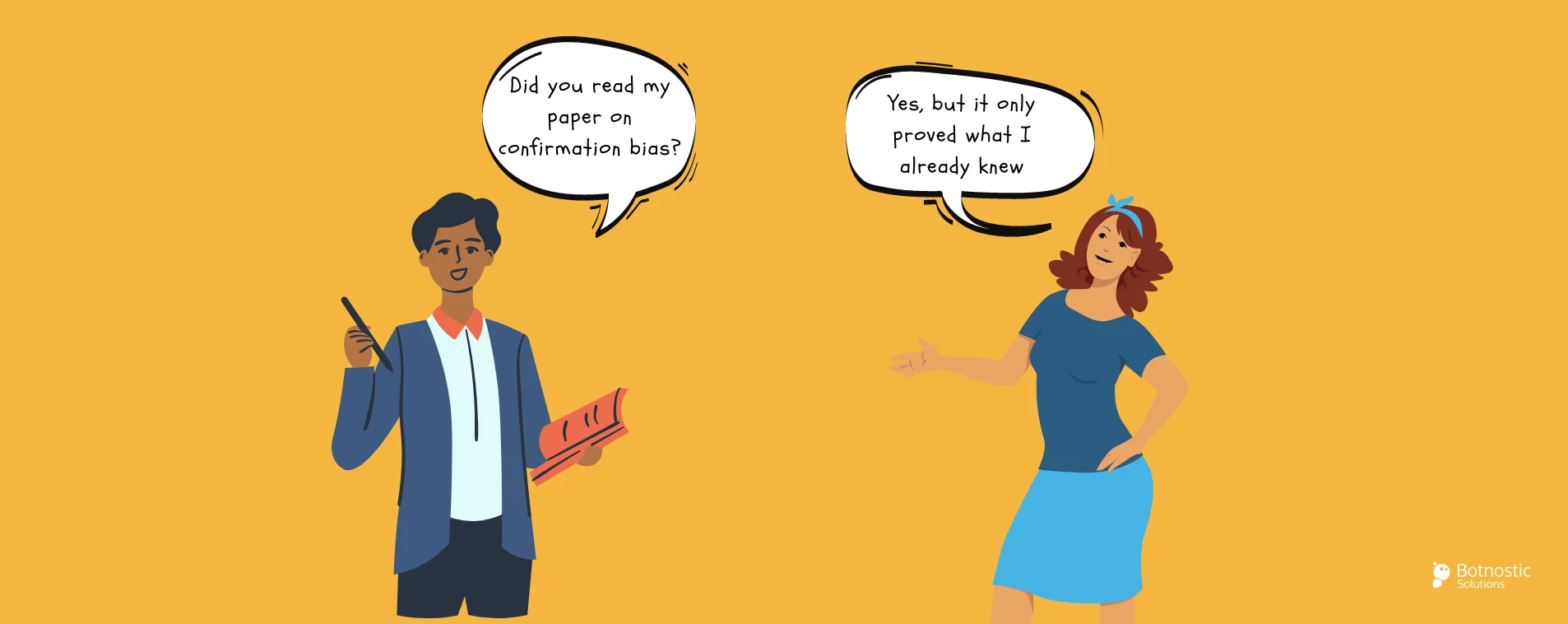
We are all guilty of passing judgement and forming opinions almost way too quickly, and once the opinion is formed we do whatever is in our power to justify our decision. This is where the confirmation bias comes in; only considering proofs that support your snap decision and ignoring all the signs that go against it is called the confirmation bias. Although it sounds like a convenient way of doing things, acting upon this during the hiring process is setting yourself up for a lot of trouble in the future.
The reason behind this is that people place too much trust in their instincts and then do whatever they can to support them. Opinions are formed in a split second, sometimes even before the interview can begin, and this is why a lot of Pakistani recruiters miss out on great candidates for no valid reason at all.
2. Stereotyping is Something We All Do
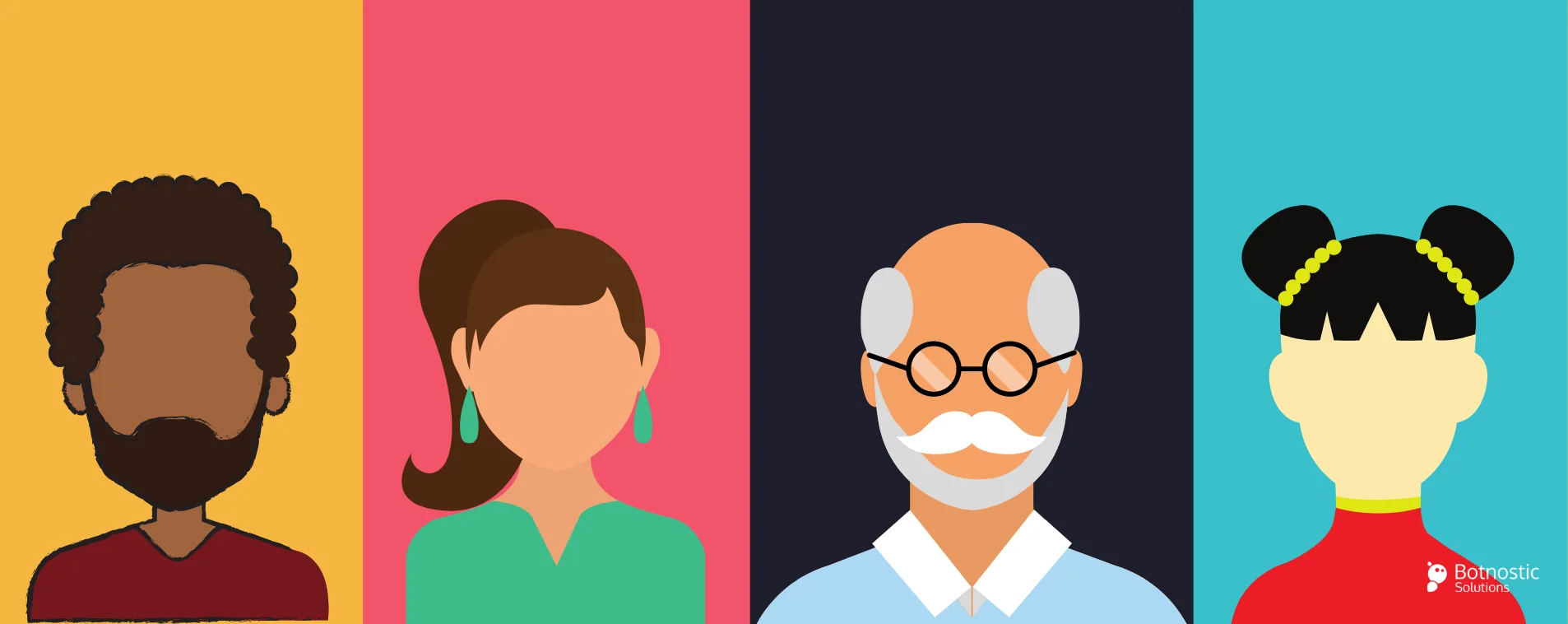
Stereotyping is the practice of overly generalizing a group of people and assuming they are all much more alike than they truly are. The reason behind this is that people are lazy. Why put in so much effort learning about someone or something at an individual level when there already exists an opinion you can easily adopt? However, employers can not (and should not) take the risk of doing this in the hiring process - but that doesn’t stop them!
Saying that all Pakistanis are stereotypical would also be a stereotype; so we’ll just say that stereotyping is a prevalent issue in Pakistan. More often than not it is a subconscious process that not only costs a firm potentially great employee but also costs the candidate a good job (for invalid reasons out of their control!).
Saying that all Pakistanis are stereotypical would also be a stereotype; so we’ll just say that stereotyping is a prevalent issue in Pakistan. More often than not it is a subconscious process that not only costs a firm potentially great employee but also costs the candidate a good job (for invalid reasons out of their control!).
3. Nobody Wears a Halo
This hiring bias is closely linked to the confirmation bias, but much more specific. It happens when the recruiter doesn’t exactly do thorough research on the candidate and decides to heavily rely on one positive trait that the candidate possesses like where they live or what college they graduated from. This is very common in Pakistan; if you go to an interview and find out that the recruiter is from your old school, you begin to believe that undeniably the ball is in your court. Even on the receiving end, we expect such biases because they are so deeply ingrained in our way of thinking.
We focus on this ‘halo’ and start ignoring all other factors that go against our perception of the candidate. This makes us believe that this specific person is exactly what the organization needs, and we ignore all the red flags because they just seem that perfect.
We focus on this ‘halo’ and start ignoring all other factors that go against our perception of the candidate. This makes us believe that this specific person is exactly what the organization needs, and we ignore all the red flags because they just seem that perfect.
4. We’re All Suckers for Similarity
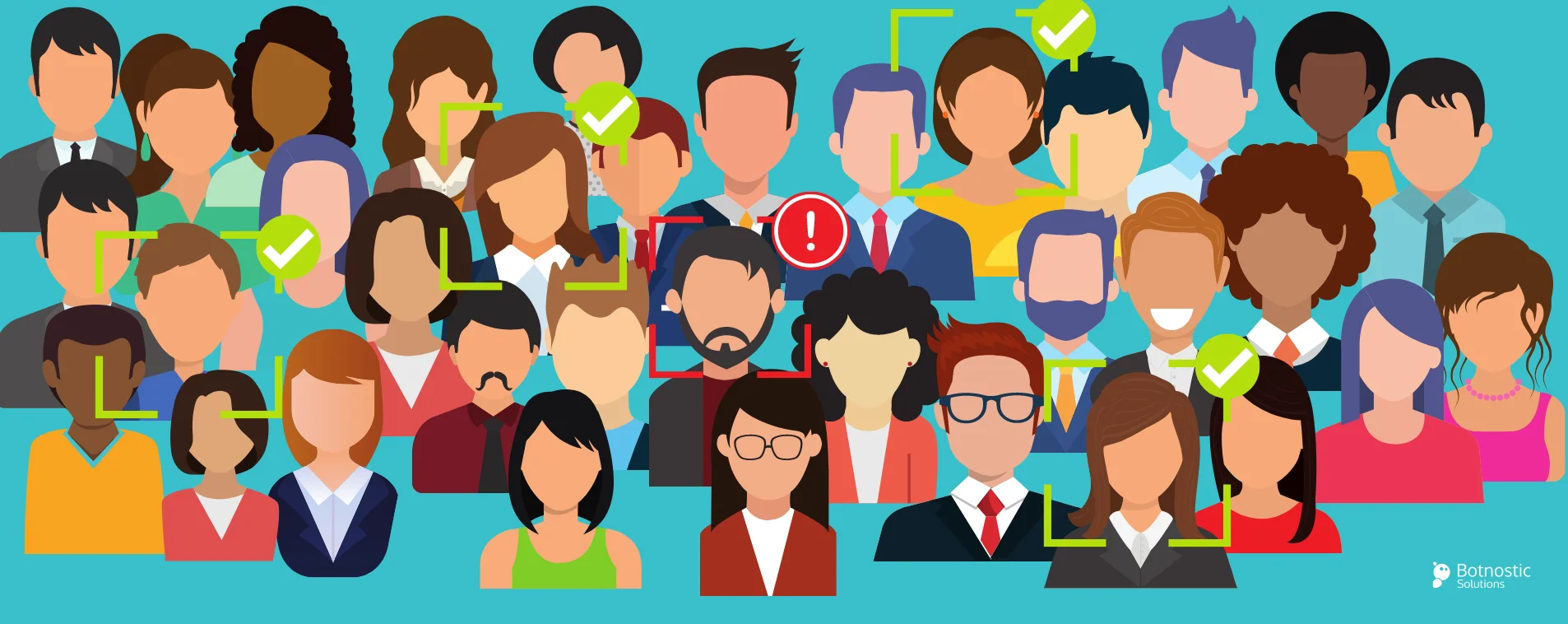
It’s not news that we humans like to stay comfortable surrounded by things and people that we like and feel a connection with. This preference doesn’t go away when it comes to the workplace, if anything, it probably becomes more intense. If you’re going to trust someone with the responsibilities of your company, and spend most days of the week with them, of course, you will want a feeling of familiarity. The similarity attraction bias occurs when recruiters end up taking it to a new extreme; they prefer hiring people who they feel are more similar to them - even if this similarity has nothing to do with job performance! Imagine preferring a job candidate based on something silly like both of you having the same favourite sitcom - how would that make sense?
5. Your Candidate is Not Satan’s Spawn!
This bias is the exact opposite of the previously discussed ‘halo’ effect; in this case, recruiters become fixated on one negative aspect of a candidate and refuse to move past it and consider the positive factors. Simply because they have a trait that unsettles the recruiter, they let it cloud their judgment and infiltrate the hiring process. I’m sure a hundred examples popped into your head as you just read this! Well, that’s exactly how common it is.
6. Adapting to the Crowd Under Pressure
Whether we choose to believe it or not, most humans are very susceptible to peer pressure. The mere thought of being ridiculed by our peers is enough to influence our choices, opinions, and even beliefs. More often than not the pressure to agree or disagree with something outweighs the responsibility to do the right thing.
If we look at matters from the context of the common Pakistani outlook, people with different opinions are rarely met with accommodating gestures or understanding eyes. So if three people on a panel believe that a candidate should be rejected for some specific reason, the fourth person might just agree with them out of fear of his real opinion being frowned upon. Rejection is scary, even for the most powerful of people.
If we look at matters from the context of the common Pakistani outlook, people with different opinions are rarely met with accommodating gestures or understanding eyes. So if three people on a panel believe that a candidate should be rejected for some specific reason, the fourth person might just agree with them out of fear of his real opinion being frowned upon. Rejection is scary, even for the most powerful of people.
7. Biased Towards the Beautiful
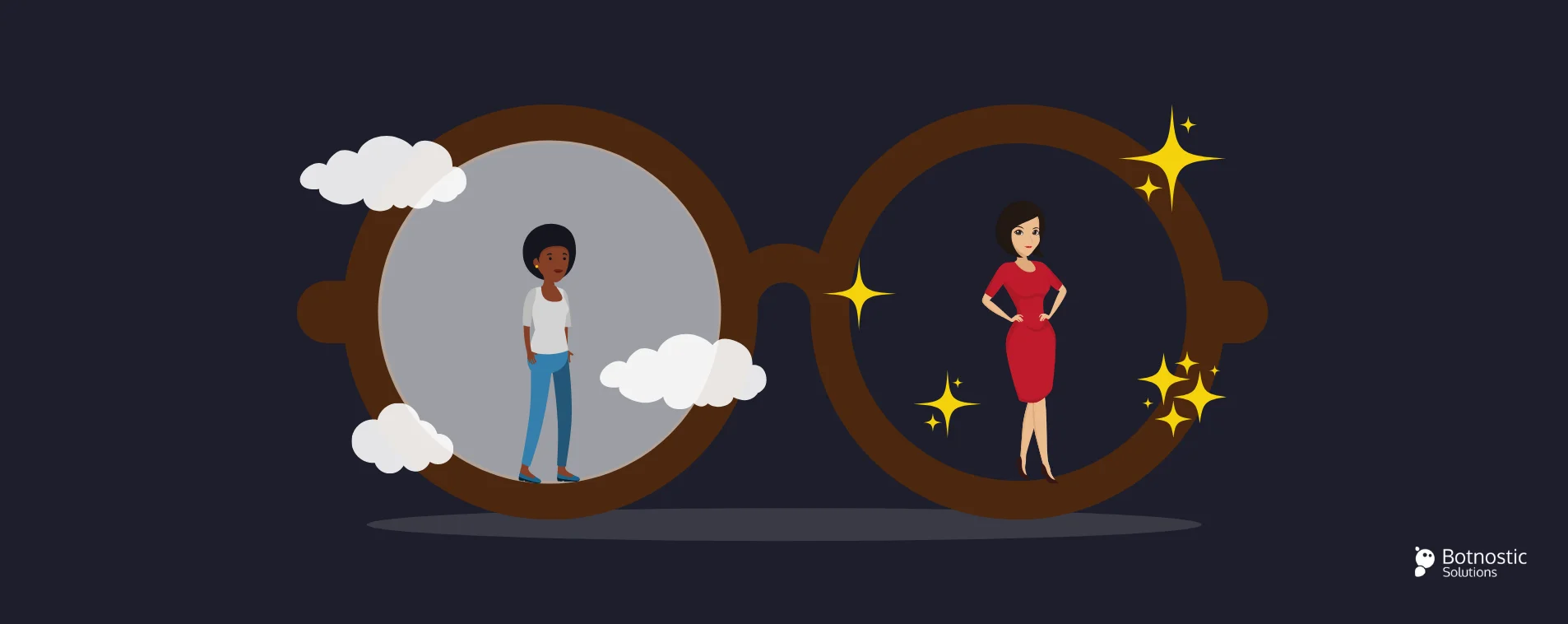
WAs ignorant as it sounds, often people believe that beautiful people are more likely to be successful; it is simply how our brains have been trained to think. We strongly form the notion that the most handsome man or most gorgeous woman will do better in life, and as a result, we manifest it into existence. In Pakistan, where conventional beauty standards have only just begun to be questioned, this bias is fairly common. Yes, the educated people have started understanding that there is more to a person than their appearance, but this ideology has yet to penetrate the mindset of the common man. How will a recruiter hire a candidate when the candidate himself believes that appearance is a valid bias to hold against him?
8. A Comparison is Never Fair
Parents in general (and Pakistani parents, in specific), are known for making unwarranted comparisons between their children and others. It’s something we all face and loathe, but you are mistaken if you think these unfair comparisons are only limited to your household!
Every individual candidate should be allowed to make an impact, irrespective of how others are performing. Unfortunately, recruiters often give in to the tendency of comparing and contrasting each resume with the one that precedes it. This creates a huge loophole in judgement, instead of seeing whether the candidate suits the job, recruiters end up getting derailed in the wrong direction.
Every individual candidate should be allowed to make an impact, irrespective of how others are performing. Unfortunately, recruiters often give in to the tendency of comparing and contrasting each resume with the one that precedes it. This creates a huge loophole in judgement, instead of seeing whether the candidate suits the job, recruiters end up getting derailed in the wrong direction.
9. All Genders are Equal

To put it in less kind terms, what we’re talking about here is the sexist mindset. Pakistan is a developing country where even basic concepts like equality tend to be scrutinized more than they should be. For decades and centuries, our society has catered to the preservation of patriarchy; although the awareness advocating for equality is much more widespread now, it still hasn’t ceased to exist.
The gender bias in Pakistan majorly favours men over women, but in some situations, the bias is also vice versa. Many employers have a pre-existing bias in favour of one gender over the other before they even get the chance to assess the qualifications of the candidate. It could be for reasons like catering to their comfort, wanting to put in minimum effort, or even just blatant sexism. At the end of the day, a recruiter needs to understand that gender is the least important factor when it comes to analyzing skills and behaviour. A woman and a man both possess an equal chance of excelling at something, despite what orthodox Pakistani beliefs try to teach us.
The gender bias in Pakistan majorly favours men over women, but in some situations, the bias is also vice versa. Many employers have a pre-existing bias in favour of one gender over the other before they even get the chance to assess the qualifications of the candidate. It could be for reasons like catering to their comfort, wanting to put in minimum effort, or even just blatant sexism. At the end of the day, a recruiter needs to understand that gender is the least important factor when it comes to analyzing skills and behaviour. A woman and a man both possess an equal chance of excelling at something, despite what orthodox Pakistani beliefs try to teach us.
10. Intuition Does Not Help Make a Logical Decision
Recruiters are generally told to trust their gut, but they apply that rule at the wrong stage of the hiring process! A candidate should first be assessed on their skills, qualifications, behaviour, and experience, before moving on to other factors like intuition (which is heavily influenced by emotions).
A recruiter has the responsibility to do justice to all the applicants, if he chooses to base his decision on a whim or a gut feeling, then that speaks volume about how the organization will do in the long run.
A recruiter has the responsibility to do justice to all the applicants, if he chooses to base his decision on a whim or a gut feeling, then that speaks volume about how the organization will do in the long run.
Using Technology to Overcome Hiring Bias
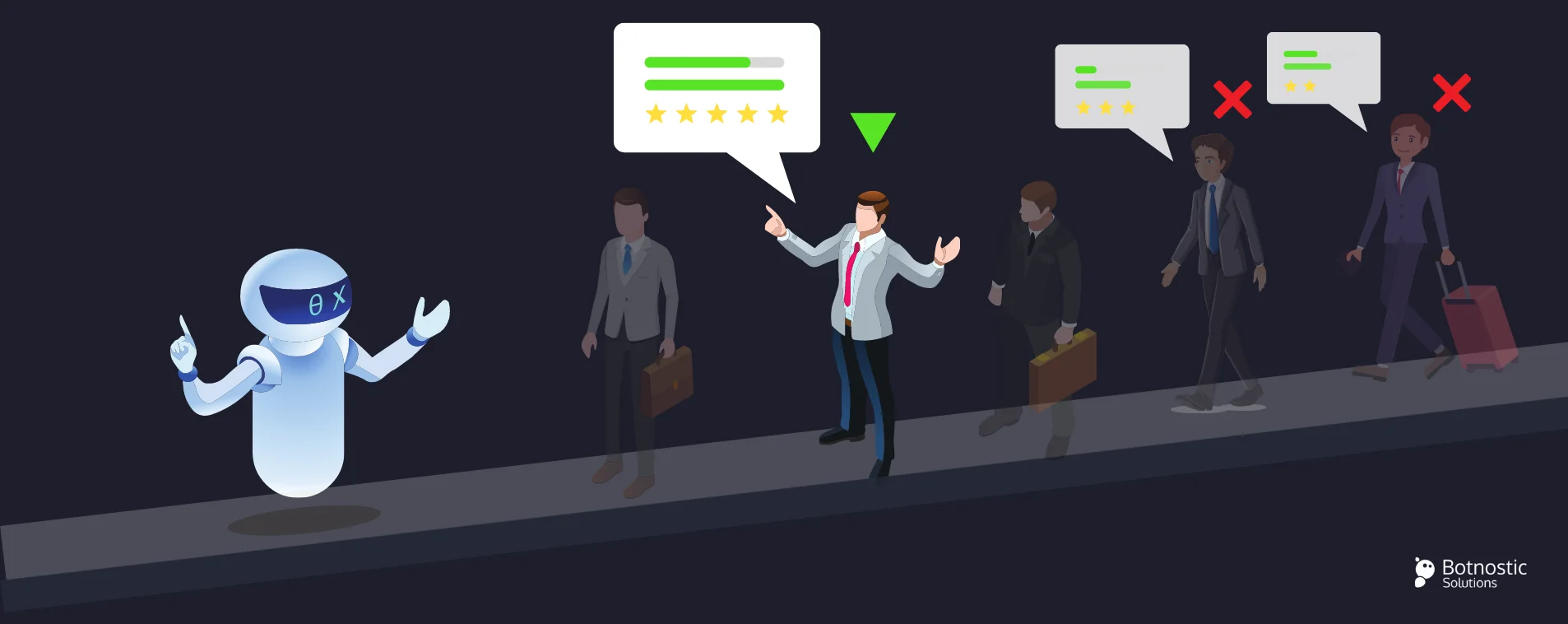
Biases in hiring are a human problem that has a human solution: using technology to streamline the recruitment process and make it virtually bias-free! Pakistan has always been slightly late to join in on the technological trends, but it is high time that it steps in to adopt the practice of solely relying on resumes. Some tools allow recruiters to sift through applications without knowing the age, gender, or even name of the potential employee. With the skilful development of AI tools, the hiring process could be revolutionized - there will finally be objective criteria for assessing skills and competencies. Using the resume free process proves to be very beneficial - companies who have adopted it acknowledges that some people who got shortlisted would never have made it through if they continued relying on the conventional resume practice. Equality is very important - especially when it comes to opportunities. No one has the right to take away someone’s chance at success just because they are biased!
Seriously, think about it, where there are humans, there are preferences, and where there are preferences, there are biases. It is what it is. But does that mean we let this problem reside and ruin hiring all across the nation, especially in this technology-driven era? Absolutely not. And that’s what RecruitmentBot is here for, to aid technology’s role in revolutionizing the hiring process. When you have an automated chatbot, fed with carefully curated data about specified job roles, you have technology doing not only doing the tedious work, but also the work that humans can’t do without bias. And what do you get in return? Only the best. The best candidates, the best matches, the best speed and more importantly, the best environment, where everyone is equal and everyone is relevant.